AI, automation, and where affiliate marketing is really heading next.
The future of affiliate marketing is not about shortcuts, hype, or pumping out more noise.
It is about building trust, using smarter tools, and creating something that still works tomorrow.
Table of Contents
- The Industry Is Growing Up
- AI Changes the Game
- The Basics Still Matter
- Automation Creates Leverage
- Search Is Still Evolving
- Brand Becomes the Moat
- The Rise of Ecosystems
- Why Beginners Still Have Room
- Where Opportunity Is Heading
- Final Thoughts
- Frequently Asked Questions
Affiliate marketing is not dead.
It is evolving.
And that is exactly why so many people are confused right now.
AI is changing workflows. Automation is speeding things up. Search is shifting. Social platforms are noisier than ever. Attention is harder to earn. Trust is harder to keep. And somewhere in the middle of all that, people are asking where this whole thing is heading next.
The answer is simple.
The future of affiliate marketing will not belong to people who throw up weak content, chase shortcuts, and hope a few random links make them money. It will belong to people who understand how the game has changed, who build trust, who use new tools properly, and who create something worth paying attention to.
If you have followed the history of affiliate marketing, that should not come as a surprise. This industry has always moved with technology, buyer behaviour, and the way people discover information online.
That is exactly what is happening again now.
The Industry Is Growing Up
There was a time when affiliate marketing felt much simpler.
Not easier in every way, but simpler.
You could publish a basic review, target a decent keyword, rank a page, and earn commissions if enough people clicked through. The internet was less crowded. Search was more open. Buyers were less sceptical. The market had more room for average content.
That early phase helped shape the affiliate space we know today.
If you look back at how affiliate marketing started online, it began with a very practical model. Refer people to a product or service and earn a commission if they buy. Straightforward. Effective. Powerful.
Then the landscape changed.
Search engines became smarter. Competition increased. Audiences became more aware. Content exploded. Algorithms tightened up. And the old tactics started needing far more strategy behind them.
That is why understanding when affiliate marketing took off and why SEO changed everything still matters. It reminds us that this business has always rewarded people who adapt.
The next major shift is happening right now.
AI Makes the Human Edge More Valuable
One of the biggest mistakes people make is assuming AI will make the human side of affiliate marketing less important.
It will do the opposite.
As more content gets created with the help of machines, the human edge becomes even more valuable. Voice matters more. Perspective matters more. Experience matters more. Trust matters more. Clarity matters more.
Anyone can now generate content faster than ever before. That sounds good until you realise most of it says the same thing in the same bland way.
That is why the future of affiliate marketing is not about replacing people with tools. It is about using tools to support better people, sharper thinking, and stronger systems.
This is where AI affiliate marketing starts to become interesting.
Used properly, AI can help you speed up research, organise outlines, repurpose content, brainstorm angles, improve email workflows, and tighten your processes. Used badly, it simply helps people publish faster rubbish.
That is the real dividing line.
The winners will not be the people using AI to produce more noise. They will be the people using AI to improve quality, save time, and strengthen the business underneath the content.
The Basics Still Matter
For all the talk about AI, automation, and emerging digital marketing trends, the fundamentals still matter.
That has not changed.
You still need to understand your audience.
You still need to know the problem they are trying to solve.
You still need relevant offers.
You still need trust.
You still need useful content.
You still need a path from attention to action.
That is why it still helps to understand how affiliate marketing works step by step. Even as the tools improve, the process is still built on helping people make informed buying decisions.
Traffic comes in.
Trust gets built.
A recommendation is made.
The user takes action.
A commission is earned.
The mechanics are simple.
What changes is the sophistication around them.
The process can now be faster, smarter, and more connected. But it still needs a real foundation underneath it.
That is also why this is not just about flashy tools. It is still about the strength of the affiliate marketing business model. The model remains powerful because it allows you to earn by connecting the right audience with the right solution, without needing to create every product yourself.
That is not going away anytime soon.
Automation Changes the Scale
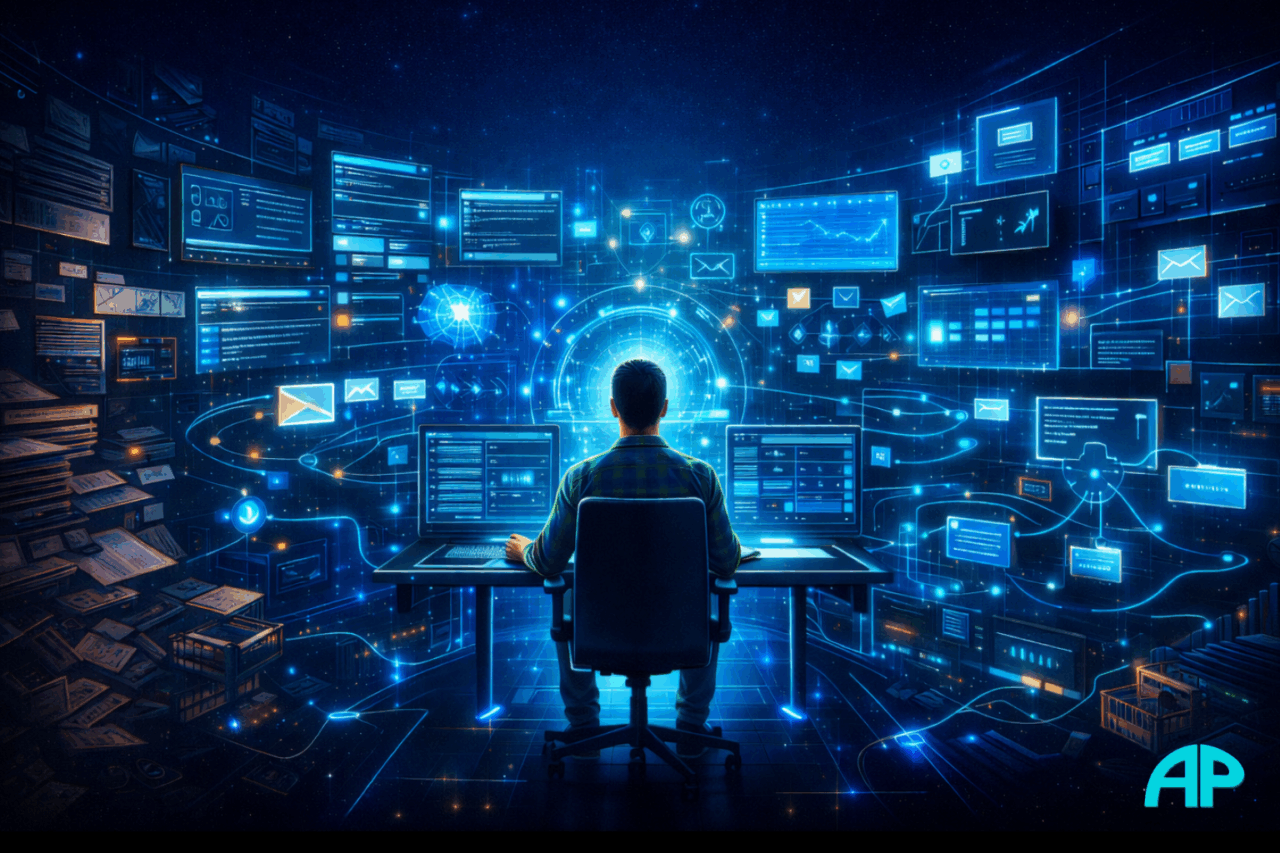
One of the biggest opportunities ahead sits in smart systems.
Not fake automation.
Not spam.
Not set-and-forget fantasy.
Real automation online business systems that remove bottlenecks, save time, and help good operators do more without losing quality.
This is where the leverage gets interesting.
You can now automate parts of your workflow that used to eat hours every week. That might include content planning, lead capture, follow-up emails, reporting, scheduling, topic clustering, tagging, or content repurposing.
For years, many people treated affiliate marketing like a hustle.
Write a post.
Drop a link.
Promote a page.
Repeat.
The future is much more strategic than that.
The smarter move is to build assets and systems.
A useful article that keeps bringing in traffic.
An email sequence that keeps helping people after they land.
A lead magnet that qualifies interest.
A content plan that supports a whole cluster.
A site structure that builds trust.
A workflow that helps you stay consistent.
This is where solo operators can become very dangerous in the best possible way.
Because with the right systems, one person can now create the output and consistency that once needed a team.
That is one of the strongest future online income opportunities on the table right now.
Search Is Changing, but the Game Is Not Over
This is the point where a lot of people panic.
They see AI summaries in search results, endless social media noise, and rising competition, and they assume affiliate marketing is finished.
It is not finished.
But weak content is under pressure.
If your entire strategy is built on thin articles, lazy SEO, and weak recommendations, then yes, that should worry you. The internet has far less patience for that now.
But that is not the same as saying the model is broken.
It simply means the standard is rising.
That is why so many people are still asking does affiliate marketing still work today.
Yes, it does.
But it works best for people who are prepared to build trust, create useful content, understand buyer intent, and stay consistent over time. It works for people who treat it like a real business rather than a quick fix.
That is the real shift.
Brand Becomes the Moat
This part matters more than most people realise.
As content becomes easier to create, brand becomes harder to ignore.
That is why understanding why building a brand makes affiliate marketing more powerful is no longer optional for anyone serious about the long game.
A brand is what gives your content weight.
It is what makes someone remember you.
It is what makes your recommendation mean something.
It is what separates you from the fifty other sites promoting the same offer in the same niche.
Without a brand, you are often just another page.
With a brand, you become a trusted source.
And in a world full of AI-assisted content, trust becomes one of the most valuable assets you can build.
People still buy from people they believe.
That part has not changed.
What has changed is the sheer volume of competition trying to get in front of them. So if your content has no voice, no identity, no clarity, and no positioning, it becomes very easy to forget.
This is why the future of affiliate marketing will favour people who build more than content.
They will build platforms.
They will build authority.
They will build communities.
They will build identity.
That is a completely different game from chasing quick commissions.
The Future Belongs to Ecosystems
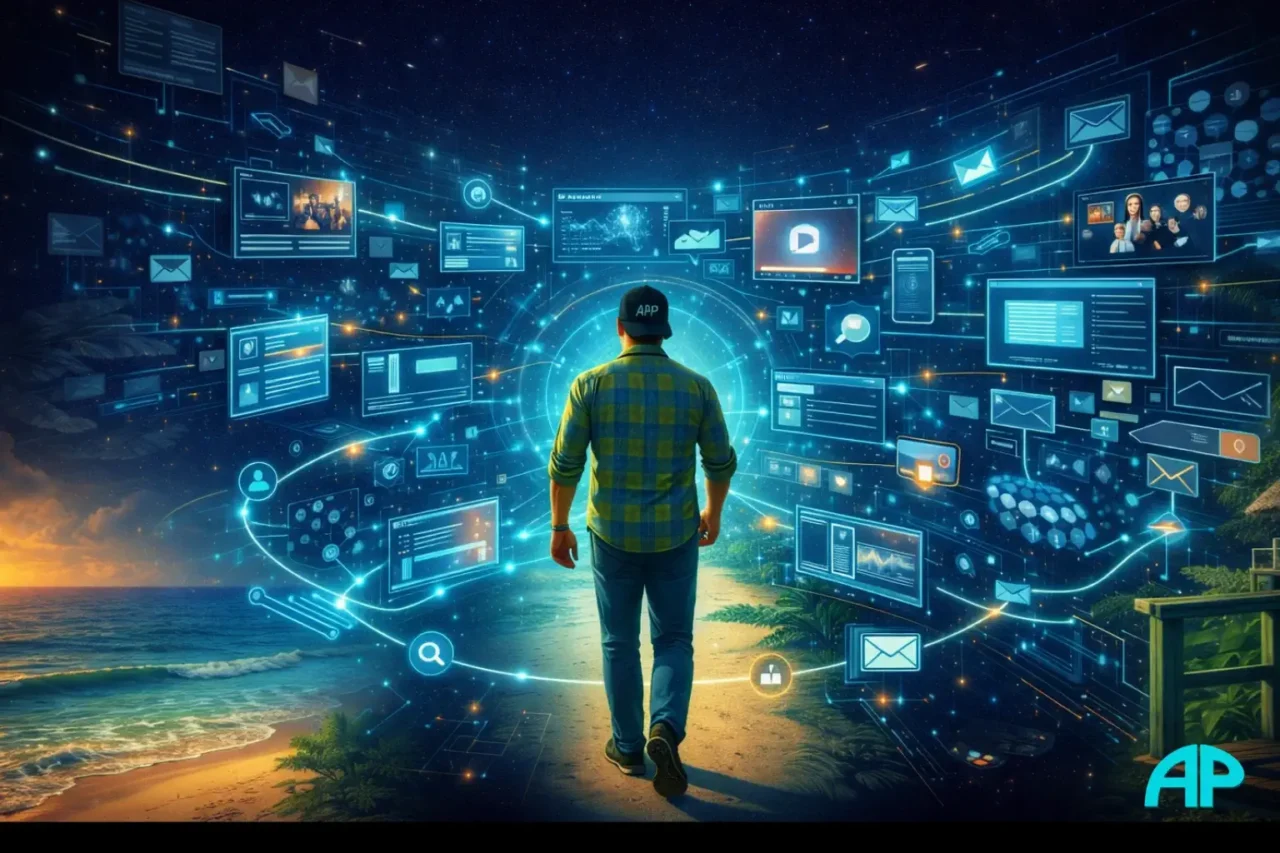
The next phase of affiliate marketing is not just about websites.
It is about connected ecosystems.
A blog plus an email list.
A YouTube channel plus a lead magnet.
A personal brand plus a private community.
A niche site plus a content engine.
A comparison page plus follow-up.
A trusted voice plus the right offer.
This is where the strongest operators are heading.
They are not relying on one traffic source.
They are not relying on one page.
They are not relying on one platform to save them.
They are building multiple touchpoints around a clear message, a clear market, and a clear offer.
That matters because buyers rarely decide in one step.
They might find you through search.
Watch a video later.
Read another article.
Join your list.
See your message again.
Then finally click through and buy.
That is a very different reality from the old fantasy of one-click magic.
The future is more layered than that.
And that is a good thing.
Because it rewards people who build real assets instead of chasing random spikes of traffic.
New Creators Still Have Room
This matters, especially for beginners.
A lot of people assume they have missed the boat.
They think the market is too crowded, too advanced, or too dominated by big players.
That is not the full picture.
Yes, competition is stronger.
But so are the tools.
And so is the demand for useful content and trusted voices.
That means there is still room for new people, provided they build properly from day one.
In fact, if someone is still learning what is affiliate marketing for beginners, this may actually be one of the best times to start with the right mindset. Why? Because the old lazy tactics are less reliable now, which means beginners are better off learning the real game from the beginning.
That means building trust early.
Understanding buyer intent.
Choosing better products.
Creating a simple brand.
Using AI carefully, not blindly.
Thinking long term.
A beginner who starts with that mindset is in a much stronger position than someone trying to relearn bad habits from the easy-money era.
Where the Real Opportunity Is Heading
The real opportunity is not in doing more random promotion.
The real opportunity is in doing better work.
Better content.
Better positioning.
Better trust.
Better systems.
Better follow-up.
Better decisions.
That is where the future is heading.
The strongest affiliate businesses will look less like link farms and more like media brands, niche authorities, problem-solving platforms, and smart content ecosystems.
They will use AI, but they will not hide behind it.
They will automate what makes sense, but they will not automate the soul out of the business.
They will create content that helps people make decisions, not just content designed to chase a click.
That is why this post brings the series full circle. The earlier articles looked at where affiliate marketing began and how it evolved. This one looks at where it is heading next in an AI-driven world.
And that future still looks very promising for people willing to take the work seriously.
Final Thoughts
Affiliate marketing is not dead.
It is becoming more demanding.
More strategic.
More layered.
More brand-driven.
More systemised.
More competitive.
And, for the right people, more interesting than ever.
The future of affiliate marketing will reward those who combine trust with technology, content with clarity, and systems with substance.
That is the opportunity.
If you understand the history of affiliate marketing, if you know how affiliate marketing works step by step, if you respect the affiliate marketing business model, and if you can see why building a brand makes affiliate marketing more powerful, then you are already looking in the right direction.
Now it becomes a matter of execution.
Not hype.
Not shortcuts.
Not noise.
Real work.
Real positioning.
Real consistency.
That is where this is heading next.
FAQ
Is affiliate marketing still worth starting in 2026?
Yes, but only if you approach it properly. The easy-money mindset is getting punished. The stronger opportunity is in building useful content, trust, and systems that last.
How is AI changing affiliate marketing?
AI is making research, planning, repurposing, and automation faster. It can improve output and consistency, but it cannot replace real perspective, trust, or brand.
Will automation replace affiliate marketers?
No. Automation will replace repetitive tasks, not the need for human judgement. The best businesses will use automation to strengthen what they already do well.
What skills matter most in the future of affiliate marketing?
Content creation, audience understanding, offer alignment, brand building, email marketing, and smart use of systems will matter most.
Is SEO still important for affiliate marketing?
Yes, but not in the old lazy way. Search still matters, but content needs to be better, more useful, and part of a bigger trust-building ecosystem.
Why does brand matter more now?
Because AI makes content easier to produce. When everyone can create content, brand becomes the thing that helps people remember you, trust you, and choose your recommendation over someone else’s.